
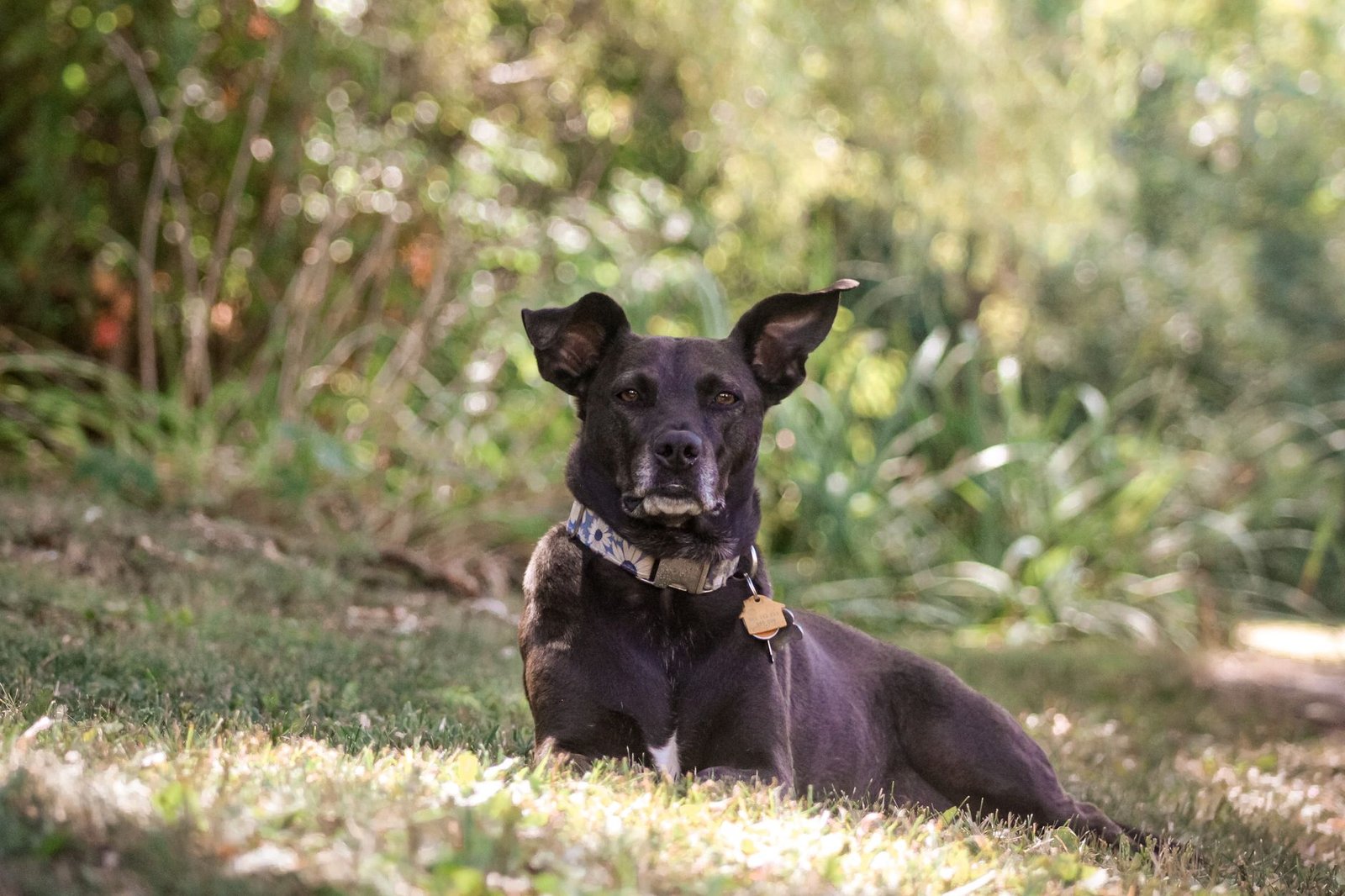
Grapes and raisins cause kidney failure in dogs, and there is no established safe amount. Sensitivity varies enormously between individuals, so quantity is a poor guide. Harvest season puts fruit within reach across the Livermore Valley, on vines, on the ground and in the back of trucks. Any ingestion is an immediate call.
Why this matters more here
Most of the country reads grape warnings as being about a bowl on a kitchen counter. In the Livermore Valley the exposure is outdoors, seasonal and at ground level.
From late August into October, fruit is on the vines, dropped along the rows, in bins, in trailers and on tailgates. Dogs come along to the property, ride in the truck, wait in the yard, and wander the edges of blocks while people work.
Livermore puts a lot of dogs within reach of a lot of fruit in the same few weeks. Add the backyard vines that a great many homes here have, plus tasting rooms that welcome dogs, plus what falls in a driveway on the way inside, and the opportunity is far wider than a fruit bowl.
It is not only fresh grapes. Raisins, currants and sultanas are more concentrated by weight, and they turn up in trail mix, granola bars, baking and cereal. Dried fruit is the more common cause of serious cases.
What actually happens
Grapes damage the kidneys in susceptible dogs. The exact mechanism is still debated, and that uncertainty is the practical problem, because nobody can tell you in advance whether your dog is one of the sensitive ones.
Some dogs eat a handful and are unaffected. Others are seriously harmed by very few. Breed, size and previous exposure do not reliably predict it. A dog that ate grapes last year without incident is not proven safe this year.
The timeline is what catches owners out:
- Within a few hours: vomiting is common, sometimes with pieces of fruit visible. Some dogs show nothing at all
- Twelve to twenty four hours: lethargy, reduced appetite, diarrhea, abdominal discomfort
- Twenty four to seventy two hours: kidney injury becomes apparent. Increased drinking, then reduced or absent urine production, weakness and a dog that is clearly unwell
By the time kidney signs are visible, the window for the most effective action has usually passed. That is the entire argument for calling on the day rather than watching.
What to do if your dog eats grapes
- Call us immediately. Do not wait for vomiting and do not wait to see whether anything happens
- Estimate the amount and the type. Fresh or dried, and how much is missing rather than how much is left
- Note the time, or the window between when you last knew the dog was clear and when you found out
- Bring the packaging if it was a dried product, since raisin content varies
- Do not try to make your dog vomit at home. Whether that is appropriate depends on timing and on your dog. Let us decide
- Do not give food, milk or anything from your own cabinet
If you are not certain your dog ate anything, call anyway and describe it. An uncertain ingestion with a known possibility is something we can work with; a dog that arrives on day three is a much harder problem.
What happens at the hospital
Time drives everything. If your dog arrives quickly, the priority is limiting how much is absorbed. Beyond that window the focus shifts to protecting the kidneys and supporting them while the risk period passes, which usually means intravenous fluids over days rather than hours.
Our pet diagnostics run kidney values and urine testing to establish a baseline, then repeat them across the following days. That repeat testing is central, because a normal result on day one does not close the question. The changes we are watching for often appear later.
Our medical services team handles the monitoring period. Most dogs seen promptly do well. The cases that go badly are overwhelmingly the ones that waited.
Harvest season, practically
- Keep dogs out of working blocks and away from bins. A dog waiting in the shade beside a full picking bin is an accident forming
- Do not leave dogs loose in a vehicle with fruit in it
- Clear fallen fruit from backyard vines daily
- Fence dogs away from home vines during the fruiting weeks
- Brief visitors and crew. People share food with dogs without thinking, and trail mix is the classic vehicle
- Watch the picnic table and the tailgate. Snacks left at nose height disappear
- At dog-friendly tasting rooms, keep your dog on a short leash and off the ground where fruit and stems collect
- Check what is in the house too. Baking with raisins, granola bars, and grapes in a bowl within reach
- Teach a solid leave command and practice it before harvest rather than during it
Cats, and other fruit
Cats are far less likely to eat grapes and are rarely reported as affected, largely because they do not eat fruit off the ground. That is not a reason to leave grapes out for a cat, and a cat that has eaten any should still be called about.
Not every fruit is a problem. Apple flesh, blueberries and watermelon flesh are fine for most dogs in small amounts. The ones worth knowing locally are the stone fruits: peach, plum, cherry and apricot pits are a choking and obstruction hazard and contain compounds best avoided. Fermenting windfall of any kind causes significant stomach upset and can produce mold-related problems, so clearing dropped fruit handles several risks at once.
Keeping your dog’s records current before harvest season is worth doing anyway, and our post on the importance of vaccinating your pets covers the wider preventive picture.
Frequently asked questions
My dog ate two grapes. Is that really worth a call?
Yes, please call. There is no established safe number, and dogs have been seriously affected by small amounts while others tolerate more. A call takes a few minutes and lets us judge the risk properly instead of you guessing. Many of these calls end with monitoring rather than a visit.
He ate grapes last summer and was completely fine. Does that mean he is not sensitive?
Unfortunately not. Previous tolerance is not protective and should not be used to decide against calling. Treat every ingestion as its own event.
Are raisins worse than fresh grapes?
By weight, yes, because they are concentrated. A small handful of raisins represents considerably more grape than the same handful of fresh fruit, and dried fruit is more likely to be left within reach.
What about grape juice, wine or grape seed products?
Juice and wine are worth calling about, and wine brings alcohol into it as well, which is its own problem. Grape seed extract is generally regarded differently from whole fruit but is not something to give deliberately. If your dog has had any of these, call and describe it.
How long do I need to watch for?
Longer than most owners expect. Kidney changes can take up to about three days to appear, which is why we usually recommend repeat testing rather than a single check.
What are the earliest signs I should look for?
Vomiting in the first few hours, then lethargy and going off food, then a change in drinking or in how much urine is being produced. A dog that suddenly drinks a great deal, or that stops producing urine, needs to be seen immediately.
Speak to the team at PetCura Animal Hospital
If your dog has eaten grapes or raisins, call us now on (925) 292-5153 rather than waiting for signs.
Published by the team at PetCura Animal Hospital.
This article is for general educational purposes only and is not a substitute for an in-person veterinary examination or advice about your individual pet. If you have an urgent concern about your pet, contact PetCura Animal Hospital or your nearest emergency veterinary hospital right away.
PetCura Animal Hospital
1817 Holmes St, Livermore, CA 94550
Phone: (925) 292-5153
Email: pcahlivermore@gmail.com
Hours: Monday to Saturday 8:00 AM to 9:00 PM; Sunday 9:00 AM to 8:00 PM